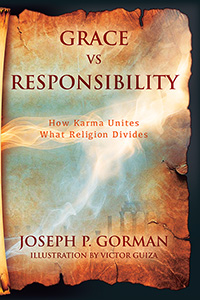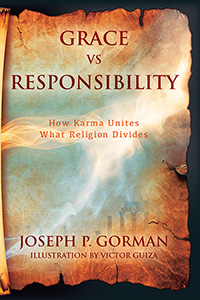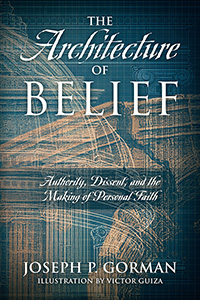


The author approaches belief as a living process rather than a fixed doctrine. Drawing on the life and message of Jesus and the historical development of Christianity as a guiding example, the book traces how any religious belief evolves once a message begins to live within a community. From the first encounter with a teacher’s voice, through the formation of shared traditions and recognized authority, to the inevitable emergence of disagreement and division, the author examines the structural forces that shape religious life. As these structures mature, individuals are eventually confronted with the personal question of whether to remain within them, reinterpret them, or step beyond them. Written in a reflective and accessible style, the author offers readers a framework for understanding the architecture through which belief moves—from collective certainty to individual awareness—inviting believers, seekers, and thoughtful observers alike to consider how faith traditions form, endure, and transform those who inherit them. The author has spent many years reflecting on faith, responsibility, and the institutions that shape both. His earlier work, Grace vs Responsibility: How Karma Unites What Religion Divides, examined fragmentation within organized religion and the tension between what is given and what must be undertaken. Here, he turns to the architecture beneath belief—the structures that make such fragmentation inevitable.
The Architecture of Belief
Authority, Dissent, and the Making of Personal Faith
by Joseph P. Gorman
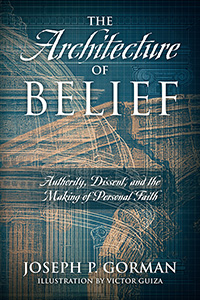

The Architecture of Belief
Authority, Dissent, and the Making of Personal Faith
by Joseph P. Gorman
Published May 19, 2026
122 Pages
6 x 9 Black & White Paperback and 6 x 9 Black & White Casebound
Genre: PHILOSOPHY / Religious